


Attachment Therapy
Nomii Therapy & Wellness provides attachment therapy both in-person in North Vancouver and virtually across British Columbia, helping clients understand relational patterns rooted in early attachment, build secure connection with others, and shift ways of relating that no longer serve them.
Understanding Your Relationships and Building Secure Connections
Our earliest relationships shape how we understand ourselves, connect with others, and navigate the world. Attachment therapy explores how these experiences influence the way we relate to people today, including how we respond to closeness, conflict, vulnerability, and the fear of rejection or disconnection. You may find yourself pulling away when relationships feel overwhelming, seeking reassurance when you feel uncertain, or struggling to express your needs. These patterns often develop as ways of protecting ourselves, but they can leave us feeling stuck in the relationships that matter most.
Attachment therapy helps you understand these patterns with curiosity and compassion. Rather than viewing your reactions as flaws or something that needs to be fixed, we explore how they developed, what they may be protecting you from, and how they affect your relationships today. Through this process, you can begin to recognize your emotional needs, understand your triggers, and develop new ways of responding that feel more secure and connected.
At Nomii Therapy & Wellness, we take a relational, attachment-based approach that recognizes the importance of feeling safe, understood, and supported in the therapeutic relationship itself. Together, we explore how past experiences may shape your expectations of others, your sense of self, and your ability to trust and rely on people. Therapy offers a space to practise expressing your needs, navigating difficult emotions, setting boundaries, and building a more secure relationship with yourself and others.


The Four Main Attachment Styles
Attachment styles describe the ways we tend to connect with others, respond to emotional closeness, and navigate relationships. They often develop through early relationships and can influence how we experience connection, trust, and emotional safety throughout our lives. Attachment styles are not fixed personality types. They can shift and evolve through new experiences, supportive relationships, and therapy and often we find ourselves with traits of one or more that shift throughout life or in different relationships.
1. Secure Attachment
People with a secure attachment style generally feel comfortable with both closeness and independence. They can express their needs, trust others, and navigate conflict while maintaining a sense of connection. They tend to view themselves as worthy of love and others as generally dependable.
2. Anxious (Preoccupied) Attachment
People with an anxious attachment style may strongly desire closeness and reassurance but worry about rejection, abandonment, or losing connection. They may become highly sensitive to changes in communication, seek frequent reassurance, or struggle with uncertainty in relationships. Beneath these patterns is often a deep desire to feel valued, loved, and secure.
3. Avoidant (Dismissive) Attachment
People with an avoidant attachment style may prioritize independence and feel uncomfortable relying on others or expressing vulnerable emotions. When relationships become emotionally intense, they may withdraw, minimize their needs, or create distance to feel safe. Beneath these patterns may be a learned belief that relying on others is difficult or that emotions are best managed alone.
4. Disorganized (Fearful-Avoidant) Attachment
People with a disorganized attachment style may experience conflicting desires for closeness and distance. They may deeply want connection while also feeling afraid of vulnerability, rejection, or being hurt. This can lead to patterns of moving toward others and then pulling away, particularly when relationships feel emotionally intense. These patterns can develop when early relationships or experiences have made connection feel both comforting and unsafe.
At Nomii, therapy is active, relational, and embodied.
What to Expect in an Attachment Therapy Session?
Sessions are collaborative and guided by your goals, experiences, and comfort level. We may explore your relationship history, identify patterns that show up in your current relationships, and work through the emotions beneath them. You do not need to revisit every painful experience to benefit from attachment therapy. Over time, the goal is to help you feel more secure in yourself, communicate more openly, navigate conflict with greater confidence, and build relationships where you can experience greater trust, connection, and authenticity.
Therapists Trained in Attachment:
-
![A young woman smiling with long dark hair, wearing a black shirt, standing against a white background.]()
Deema Hannoud, RCC
Founder & Executive Director
-
![]()
Chelsea Cameron, RCC
Founder & Executive Director
-
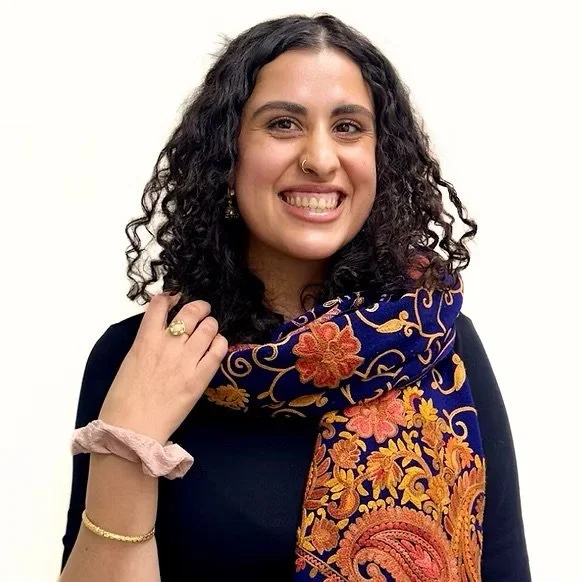
![A woman with curly black hair smiling, wearing a black top, colorful embroidered scarf, and gold jewelry, against a plain white background.]()
Dyalla Popatia, RCC
-
![A young woman with long blonde hair smiling, wearing a black shirt, against a plain white background.]()
Jocie Tucker, RCC
-
![Young woman with red hair smiling, wearing a black top and layered necklaces, against a white background.]()
Maria Stahre, RCC




Interested in beginning Attachment Therapy?
Nomii Therapy & Wellness offers counselling for attachment work in North Vancouver and virtually across British Columbia. Get in touch to schedule a free 15-minute consultation with one of our therapists.